
Health & safety
Keeping Every Feline Guest Healthy, Safe and Comfortable in Natick
Clean condos, careful observation and clear procedures are the quiet foundation of every stay at our cat-only boarding facility.
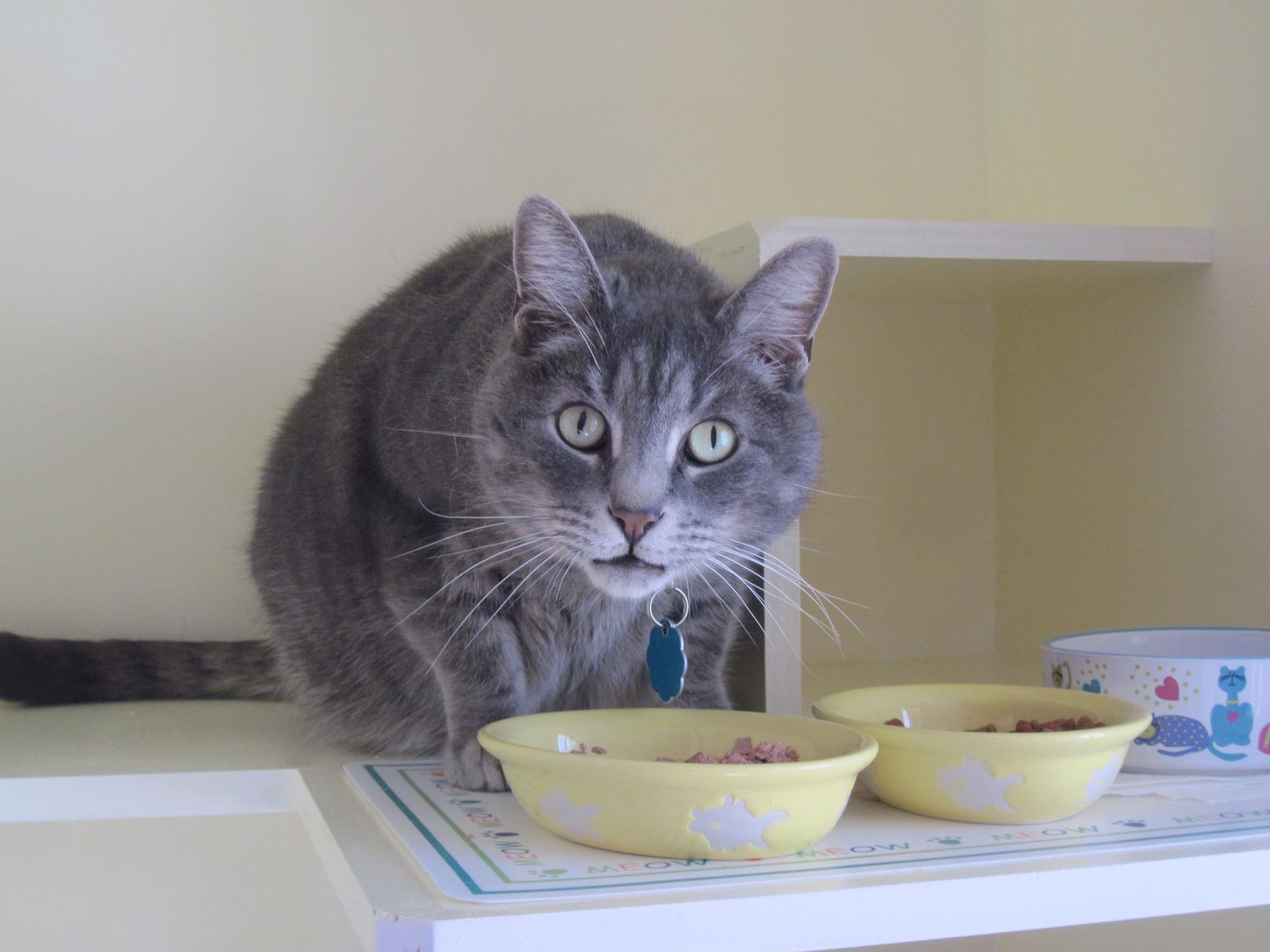
Our Approach to Feline Health
A boarding facility is a shared environment, and protecting each cat's health is one of our most important responsibilities. At Chez Mieux, health and safety are built into every part of the day, from the vaccination records we review before check-in to the notes caregivers make about each guest's appetite and behavior. Our goal is simple: every cat should go home as healthy and content as they arrived.
Because we care for cats exclusively, our routines are designed specifically around feline health. We do not have to balance the needs of dogs and cats in the same building, which means our cleaning, monitoring and handling practices can focus entirely on what cats need.
Required Vaccinations: FVRCP and Rabies
All cats boarding at Chez Mieux must have current FVRCP and Rabies vaccinations. FVRCP protects against feline viral rhinotracheitis, calicivirus and panleukopenia, three common and contagious feline illnesses. Rabies vaccination is required by Massachusetts law and protects both cats and people.
Please provide documentation before your cat's reservation. If your cat's vaccines are due soon, schedule an appointment with your veterinarian ahead of time. Some vets recommend vaccinating at least a week or two before boarding, so plan accordingly. If you have questions about your cat's records, contact our team before you book.Contact our team
Daily Sanitation and Housekeeping
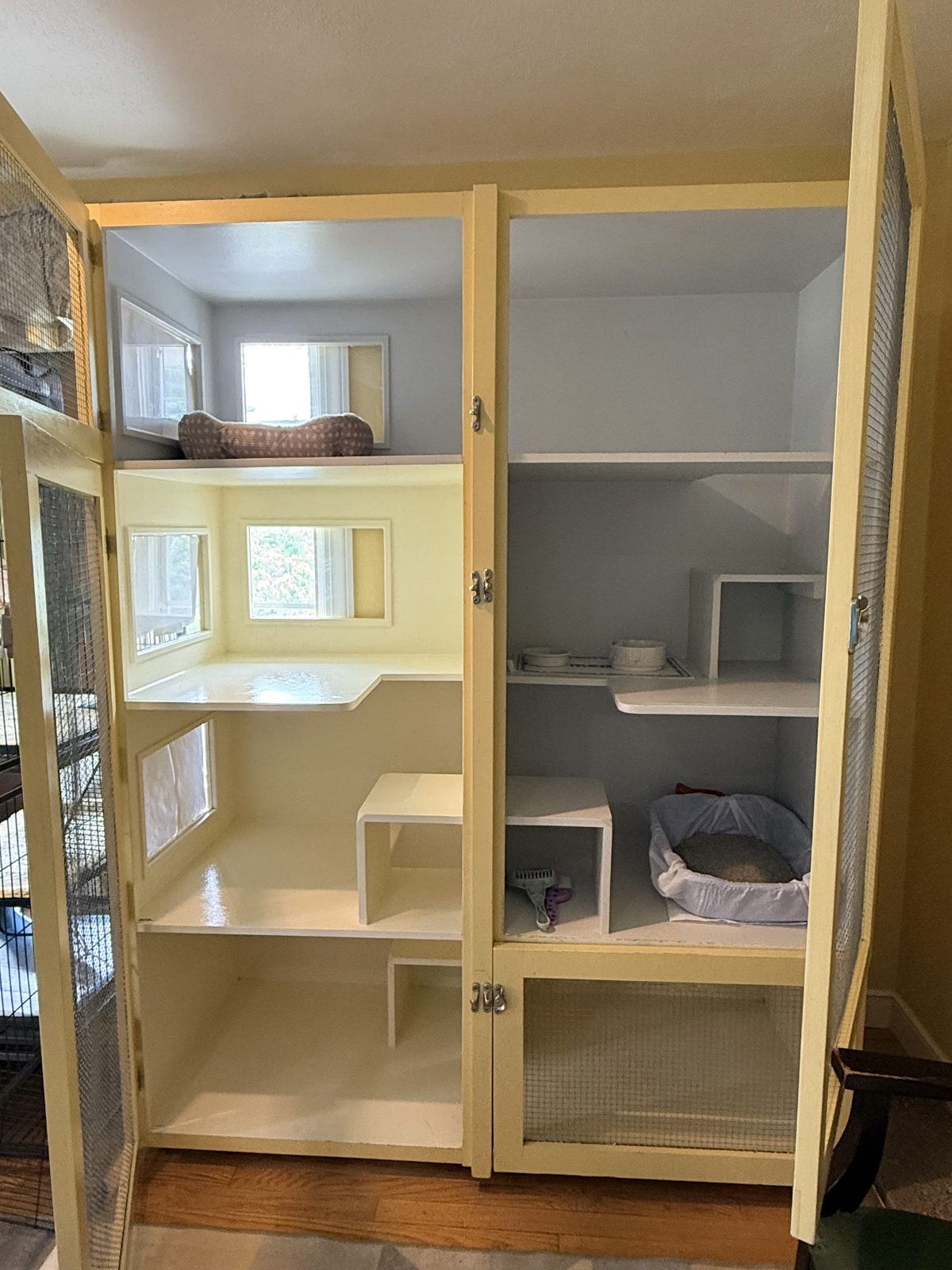
Cats are fastidious, and so are we. Each condo is cleaned daily. Litter is kept fresh, bowls are washed, and bedding is changed as needed. Between guests, condos are thoroughly cleaned and sanitized before a new cat moves in. Clean surroundings support good health and help cats feel relaxed in an unfamiliar place.
Daily Wellness Monitoring
Caregivers observe every guest throughout the day. We watch for changes that can signal stress or illness, including:
If we notice something unusual, we act promptly. That may mean adjusting the environment, offering extra quiet time, contacting you, or arranging a veterinary visit when needed. A veterinary visit fee is listed on our boarding rates page.Boarding rates page
- Appetite and water intake
- Litter-box habits and stool consistency
- Energy level and activity
- Behavior, hiding or unusual vocalizing
- Grooming habits and overall comfort
Safe Medication Administration
Many of our guests take medication, and our caregivers are experienced with a range of treatments, including oral medications, topical ointments, inhalers, nebulizers, subcutaneous injections and subcutaneous fluids. To keep things safe and accurate, please:
- Bring enough medication for the entire stay
- Supply medications in original, clearly labeled packaging whenever possible
- Write down dosage, frequency, timing and administration method
- Tell us about medication needs before booking so we can prepare
Senior Cats and Special Needs
Older cats and cats with chronic conditions often need a slower pace and extra attention. Our caregivers can adapt routines for mobility issues, sensitive stomachs, kidney diets and other considerations. Share as much detail as possible during booking, and we will build a plan around your cat. Learn more about how we personalize care on our guest experience page.
Reducing Stress Reduces Illness
Stress can weaken a cat's immune system and affect appetite and digestion. That is one reason a cat-only environment matters. Without barking dogs or shared kennel spaces, our guests experience fewer stressors, which supports better eating, sleeping and overall health. Familiar food, a comfort item from home and patient caregivers all help too. Our new guest guide includes tips for preparing your cat before their stay.New guest guide
Emergencies and Communication
Please leave reliable contact information and your veterinarian's details with us at check-in. In the unlikely event of a health concern, we will contact you and follow your instructions. Clear communication is part of the trust families from Natick, Framingham, Wellesley, Boston and across our service area place in us. Read more about our story on the about us page, or browse our FAQs.Service areaAbout us pageFAQs
Common Health Questions Before Boarding
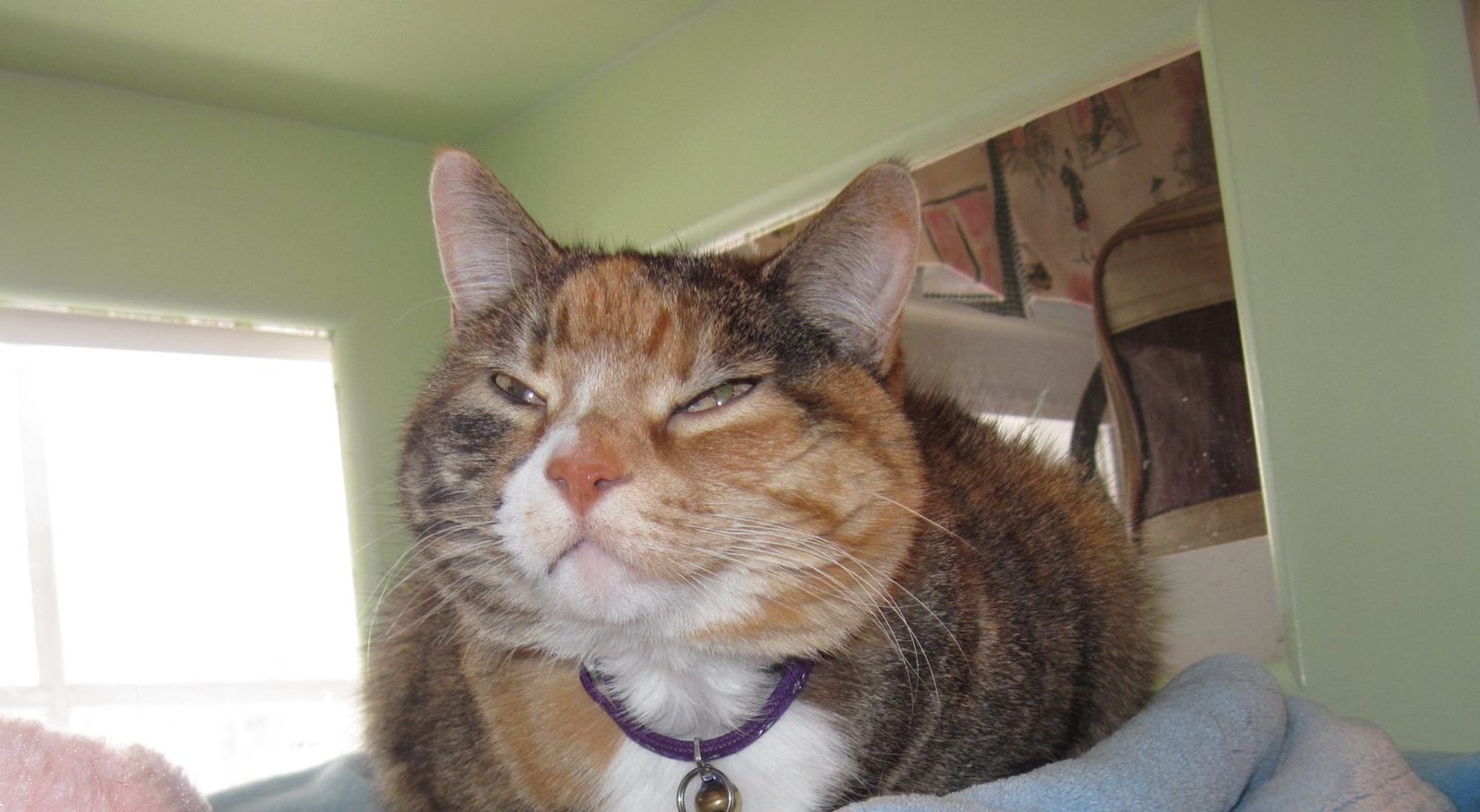
Families sometimes ask whether boarding could make their cat sick. In a clean, well-managed, cat-only facility with vaccination requirements, the risk is kept low, and stress, rather than germs, is often the bigger factor in how a cat feels. That is why we combine strict housekeeping with gentle handling and familiar routines. If your cat has had stress-related issues in the past, such as stomach upset, overgrooming or not eating, let us know so we can plan extra quiet time and closer monitoring.
We also recommend a routine veterinary check before long stays, especially for senior cats or cats with chronic conditions. Your vet can confirm vaccinations, refill medications and share any notes we should follow.
Hygiene Practices Between Guests
Before a new cat moves into a condo, every surface is cleaned and sanitized, bedding is replaced and bowls are washed. Litter boxes are cleaned and refilled with fresh litter. This careful turnover ensures each guest arrives to a space that is fresh, safe and free of other cats' scents.
Keeping Allergies, Seasons and Special Diets in Mind
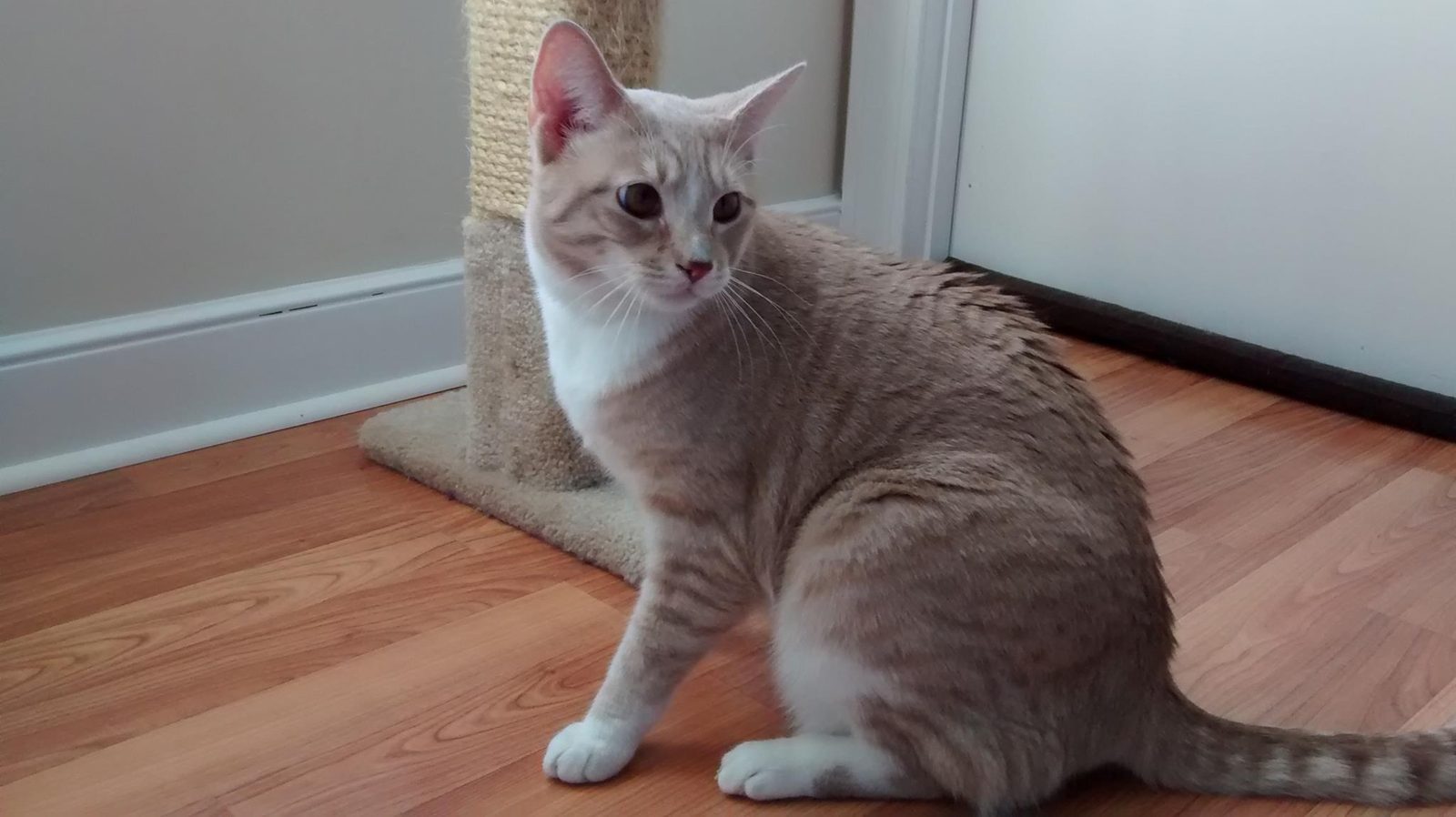
Seasonal changes can affect cats too. Spring and fall may bring sneezing or itchy skin for sensitive cats, while summer heat can reduce appetite. We keep the facility comfortable year-round and watch closely for seasonal changes. If your cat has known allergies, follows a prescription diet such as a renal, urinary or hypoallergenic formula, or reacts to certain treats, please list those details when you book. We follow dietary instructions exactly and never substitute food without your permission.
Questions about symptoms or diagnoses should always go to your veterinarian, but our caregivers will share everything we observe so you and your vet have a complete picture.
Above all, health and safety at Chez Mieux come down to attention. The more closely we watch, the sooner we notice.
Questions & answers
Frequently Asked Questions
What vaccinations does my cat need for boarding?
Current FVRCP and Rabies vaccinations are required for all boarding guests at Chez Mieux.
Can you board cats with medical conditions?
Often, yes. We regularly care for cats who need medication, special diets or extra attention. Please discuss your cat's needs before booking.
How do you keep condos clean?
Every condo is cleaned daily with fresh litter and washed bowls, and each condo is thoroughly sanitized between guests.
What happens if my cat becomes ill while boarding?
We contact you promptly and, if needed, arrange a veterinary visit. A $50 vet visit fee applies, plus any veterinary charges.
Do you accept cats with fleas?
Please make sure your cat is free of fleas and parasites before boarding to protect every guest. Ask us if you have questions about preventatives.
Reserve a condo
Contact Us
Tell us your travel dates and a little about your cat. A caregiver will follow up to confirm availability, answer questions, or set up a tour of our Natick facility.
- (508) 545-1808
- info@chezmieuxcatkennel.com
- 81 Speen Street, Floor 2, Natick, MA 01760
- Monday – Friday: 9:30 am – 6:30 pmSaturday: 9:30 am – 6:00 pmSunday: 11:30 am – 12:30 pm